A circular local food system. We have strong connections between community gardens and food donation programs. Everybody has access to healthy food, whether at home or in public settings. Community gardens and greenhouses are commonplace in schools, places of worship, community centres, libraries, and other hubs. We have established an infrastructure for processing, preserving, and distributing local seasonal food. Access to fresh, nutrient-rich food strengthens relationships between neighbours, and we have improved our efforts to eliminate food waste. There is a strong sense of solidarity with local food distribution programs, with neighbours looking out for each other to make sure that nobody goes hungry. These programs are multiple and abundant and offer different approaches to food access, meeting different people’s needs in different ways. Urban and rural neighbours have strong cultural connections, with active participation across city and country life, and a deep understanding that local agriculture feeds us.
Food security. Food sharing programs are plentiful, including those where people are not required to register or provide personal information. Community gardens and greenhouses have expanded massively and there is no longer a wait list as we are able to rapidly create new community gardens and greenhouses through a combination of public spaces and donated private space in neighbours’ front or back yards. Access to food supports such as the food bank have been destigmatized thanks to a culture of volunteerism and philanthropy, and an increase in the number and type of food security initiatives.
Affordable and nutritious food access. We are guided by a definition for the “nutritious food basket” which is an indicator to measure inflation, and we’ve removed financial barriers to accessing nutritious food. We have eliminated “food swamps” (i.e. neighbourhoods without healthy and fresh food access), starting with neighbourhoods near our university and college campuses. Local food producers are supported, and we’ve strengthened our local supply chain to minimize the disruption of international trade policies, wars, pandemics and natural disasters. Children at school always go to school with a full belly, whether by eating breakfast at home, or through school nutrition programs without stigma. We have abundant food cupboards, food fridges, and pantries throughout neighbourhoods. Learning how to prepare, store, and distribute food is a part of everyday life for neighbours of all ages. Food access is tied to recreation activities at community centres and parks. Healthy food access has become an act of care in everyday interactions, with neighbours feeding each other as a matter of course at community events and meetings.
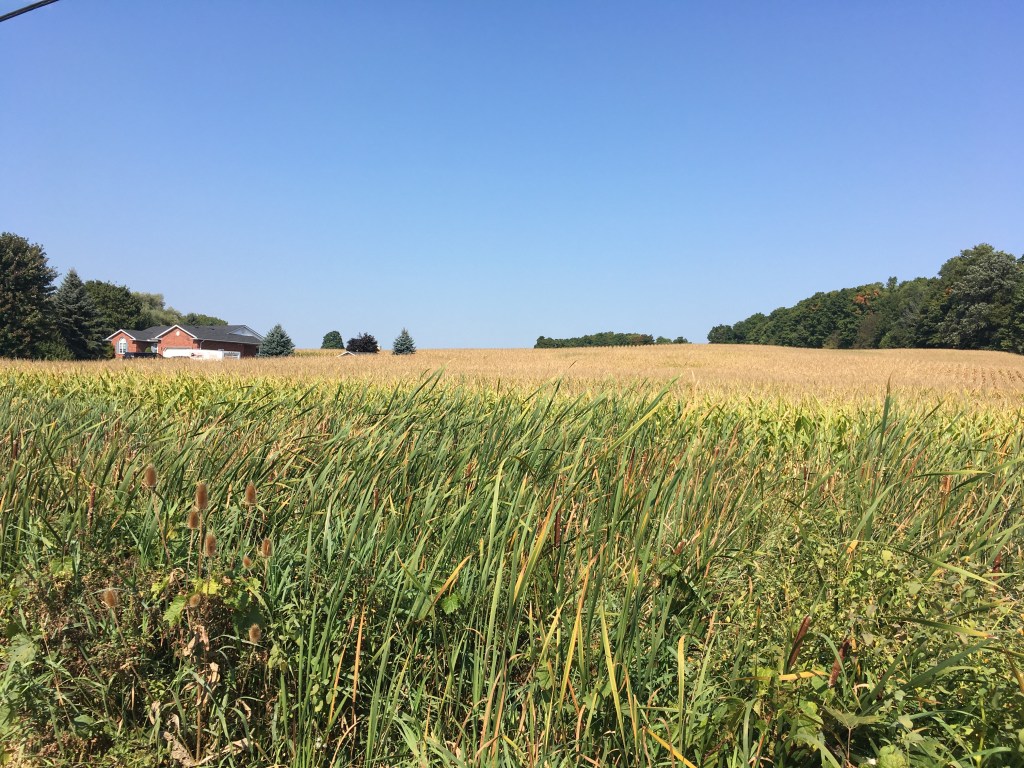
Strong farms. Farmland has been protected from urban and industrial development, and the share of local food in our diet has increased. The demographic makeup of our region’s farmers is younger and more diverse, reversing the trend of older farmers and consolidation of farms that occurred in previous decades. Younger people of diverse ethnocultural backgrounds are able to secure land for growing food, and there is better succession planning for family farms. Farmers have a significant voice in the region’s rural investment readiness strategy. Land earmarked for the Wilmot land assembly project has been preserved permanently for agriculture. We have increased the number of farms, types of crops, and the total amount of food being grown in Waterloo Region since then. Due to increased local demand, farmers have to spend less time, money, and fuel shipping products farther afield.
Food: measurable outcomes
- Number of productive farms in WR (by crop)
- Total farmland [Canadian Index of Wellbeing]
- Rate of food bank usage (by demographic group)
- Rate of food insecurity (by neighbourhood)
- Number of community gardens and greenhouses
- Number of children served through school food programs
- Percentage of population that is moderately or severely food insecure [Canadian Index of Wellbeing]
 One Million Neighbours Waterloo Region